
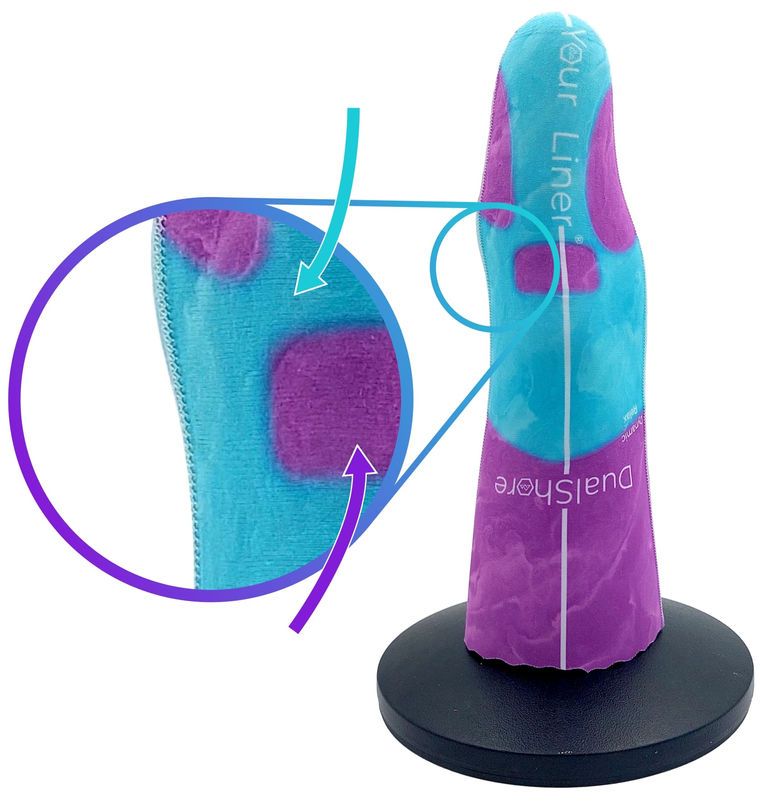
Combine hardnesses
Soft and hard, exactly where you want them.
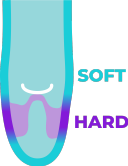
Soft zone
A softer silicone for comfort and offloading over sensitive or bony areas.
Hard zone
A firmer silicone for support, stability and soft-tissue control.
 SoftHard
All features of Your® UniShore Liners.
 SuspensionsSuspension systems can be fully configured to optimally answer patients’ needs.
 ThicknessesProtect sensitive areas and keep Your® Liner light and flexible.
 ReductionOur algorithms optimise reductions for an optimal fit.
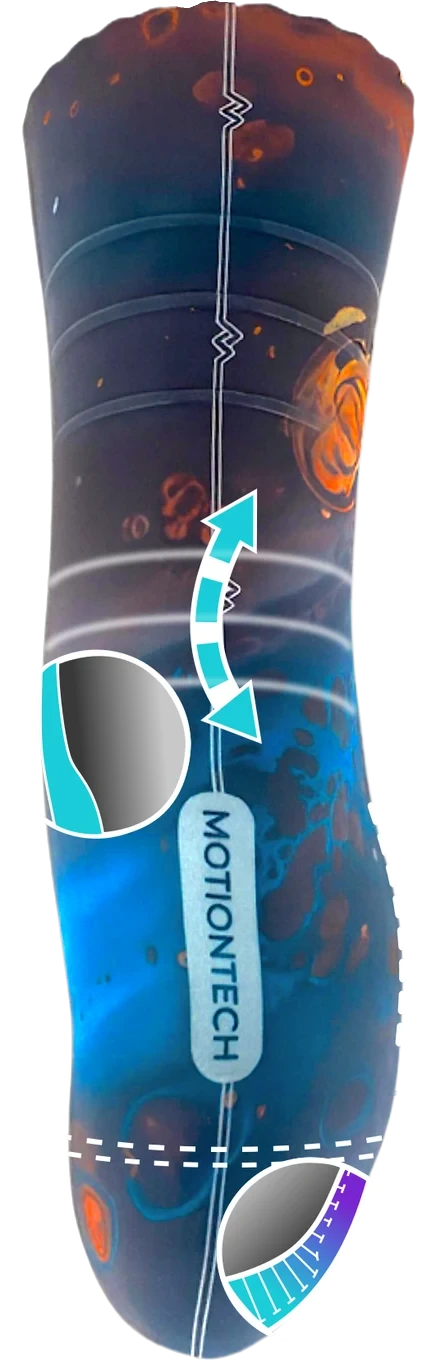
 FlexionPre-flexion is built into every liner, so it bends with the knee instead of fighting it.
 TailoredPear-shaped, invaginated, bony, scarred & sensitive limbs are now easily fitted.
 HardnessTo better match the needs of each underlying tissue type.
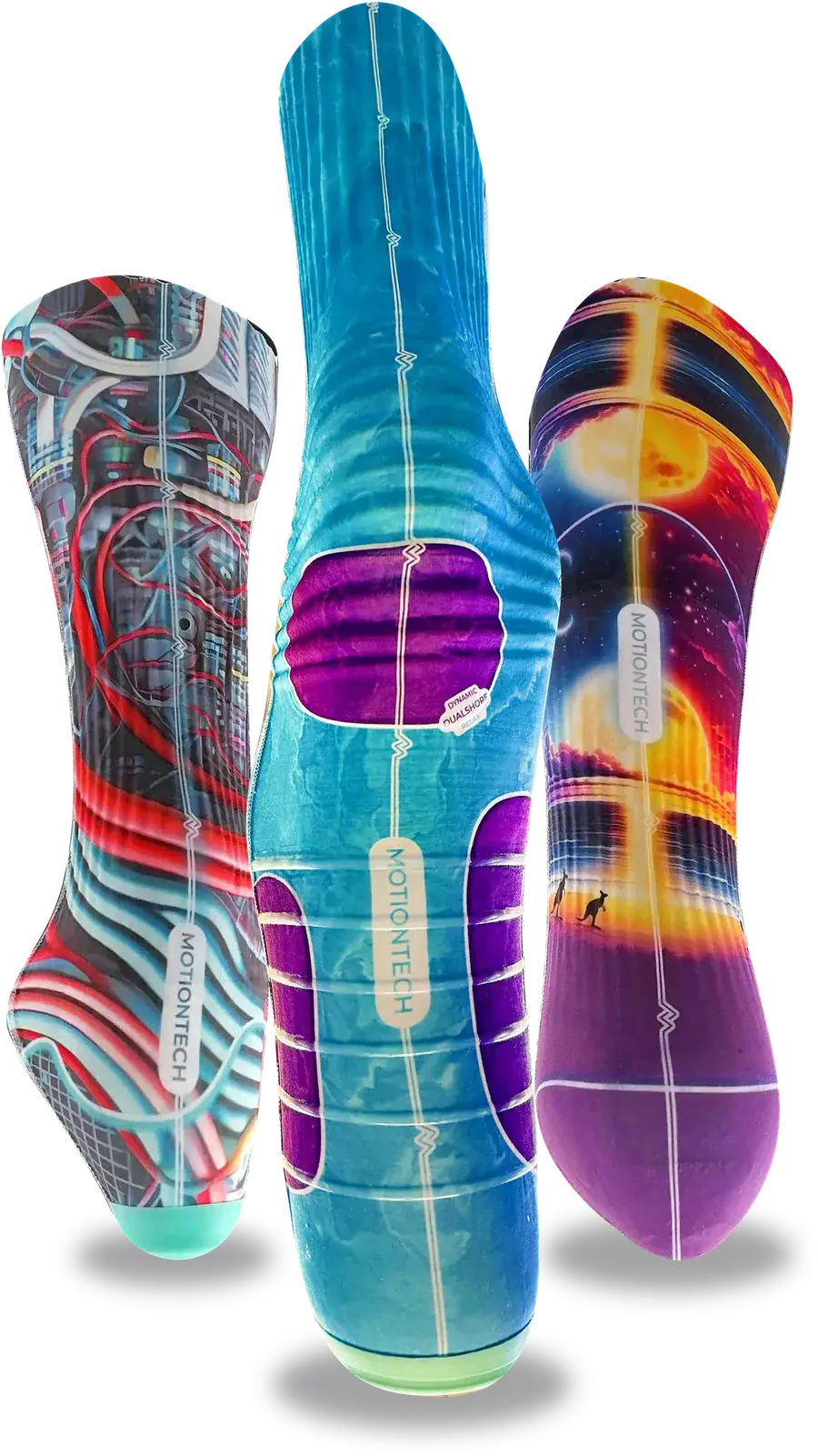
 StyleChoose amongst our design options or make your own style.
Powered by the possibility to combine Shore hardnesses.
Every feature from UniShore, plus
Every feature from UniShore, plus

Localised Shore hardness control
Combine different silicone hardnesses within a single liner. Soft silicone goes where flexibility or comfort is needed, firmer silicone where support, proprioception or durability matters.

Configuration Warranty
With DualShore we do not only warrant that the liner will fit — we warrant that the configuration you choose will work. As long as the liner has been worn and the user’s situation has not changed since the order, you are covered on silicone types, hardness zones, suspension, thicknesses and knee flexion angle.
Indications
When two hardnesses earn their place.

Distal weight-bearing capacity
If the limb can bear weight distally (Symes, Gritti and similar), hard silicone on the distal end can improve proprioception and durability.

Bony prominences
Sensitive bony prominences can benefit from soft silicone, for improved comfort and lower risk of pressure peaks.

Pear-shaped limbs
Soft silicone on the narrow limb segment gives enhanced stretch, for easier donning.
Unstable prosthesis
Hard silicone on weight-bearing areas promotes better proprioception and overall stability.
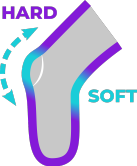
Painful knee flexion
Soft silicone on the patella / popliteal fossa stretches more easily, making knee flexion feel easier and more natural.

Scars, grafts, low skin elasticity
Low-elasticity skin is sensitive to shear stress. Soft silicone lowers shear stress and can help reduce the risk of skin injuries.
For straightforward cases the added value of a DualShore liner over a UniShore one may be marginal. For demanding users, marginal improvements can still make a great deal of difference.
The silicones
Choose two between three types.
Pick any two of the three silicone types and place each one where it works best.
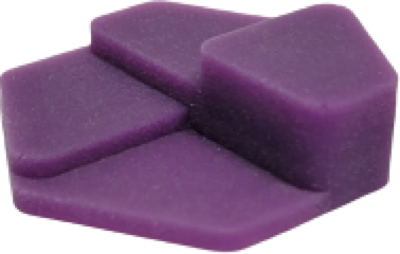
Relax
- Pros
- Very comfortable · easy donning & doffing
- Cons
- Lower durability · more pistoning
- Suitable for
- K1 / K2
- Contraindications
- K3 / K4
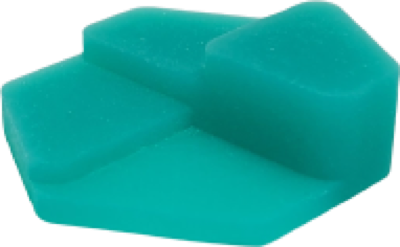
Active
- Pros
- Very comfortable · most versatile solution
- Cons
- Durability can be limited for extremely active users
- Suitable for
- K2 / K3 / K4
- Contraindications
- None
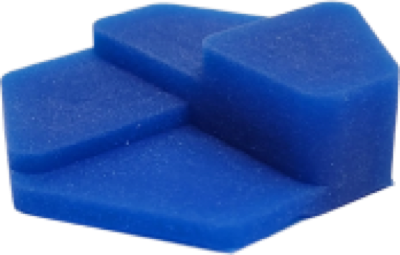
Dynamic
- Pros
- High durability · soft-tissue stabilisation
- Cons
- Harder donning & doffing · stiffer cushioning
- Suitable for
- K3 / K4 · abundant soft tissue
- Contraindications
- Bony limbs · fragile / sensitive skin
Smart thicknesses by default.
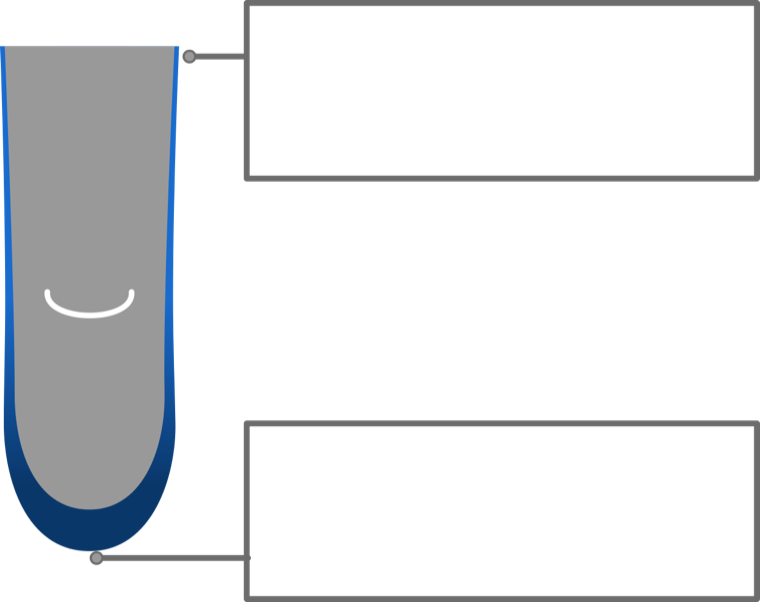 Thin
Thin
at proximalThick
at distalThins out gradually
Thin at the proximal end, thicker at the distal end.
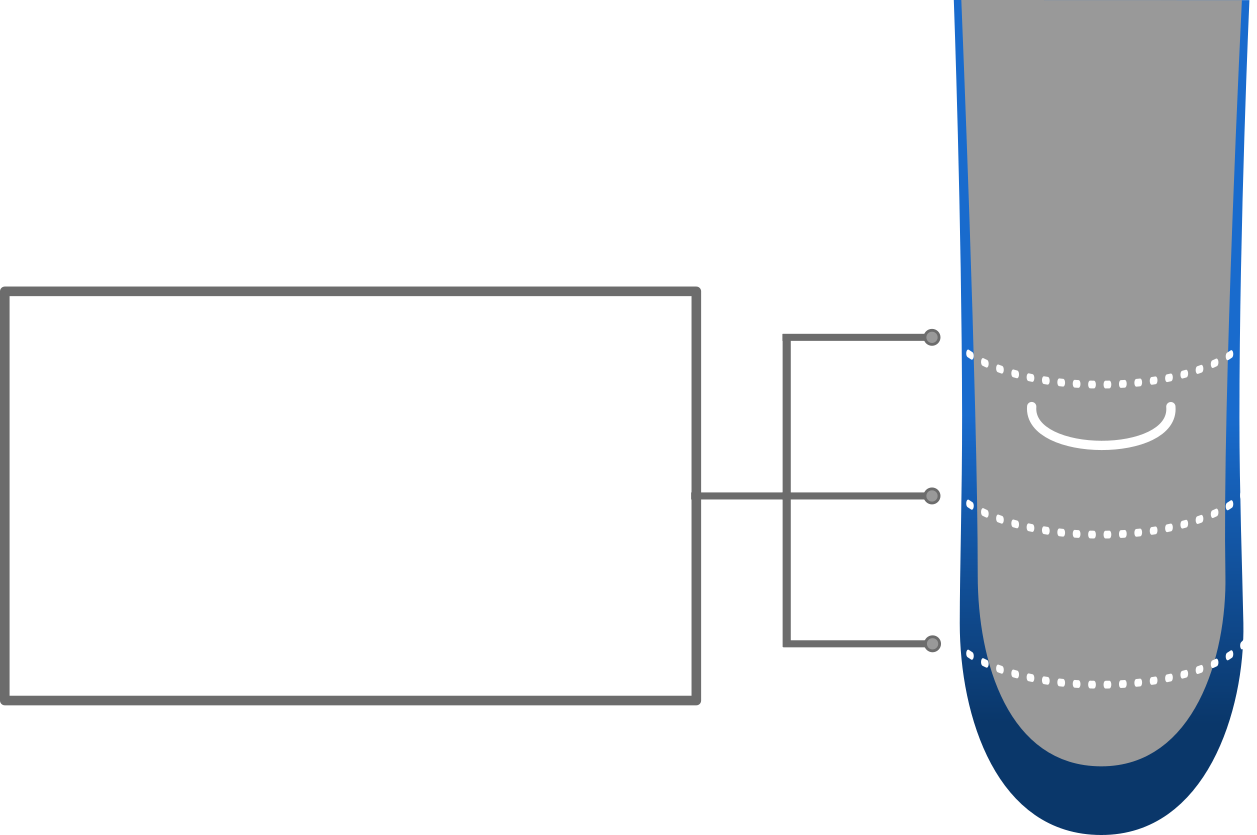 At given height:
same thickness
all aroundSymmetrical around the limb
At any given height, the same thickness all around.
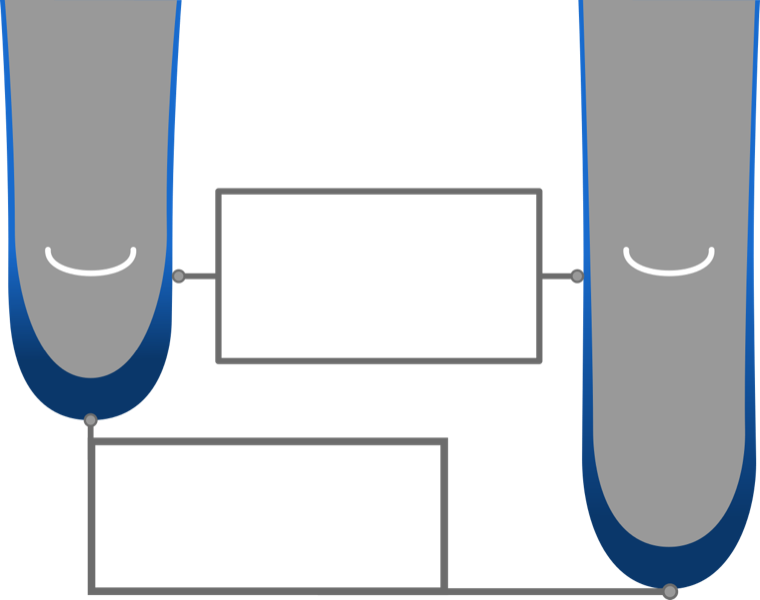 Same
Same
thicknessSame
thicknessAdjusted to the limb’s length
Scaled to each individual limb.
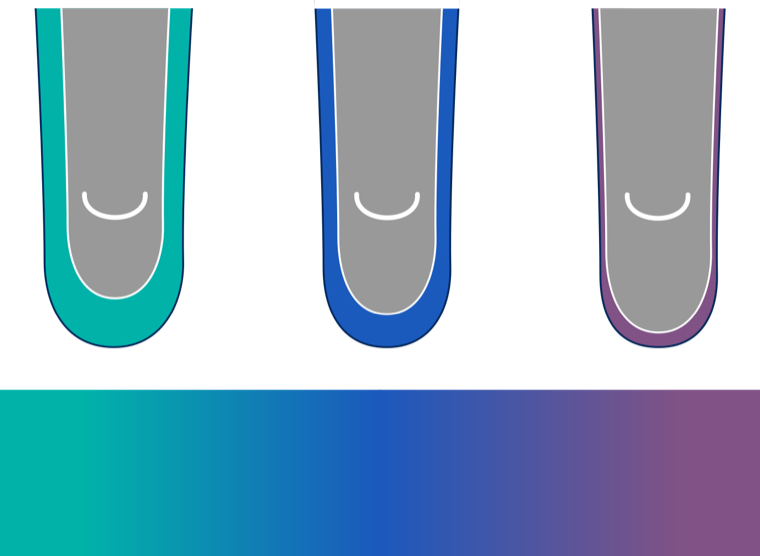
Adjusted with silicone type
Softer is thicker; harder is thinner.
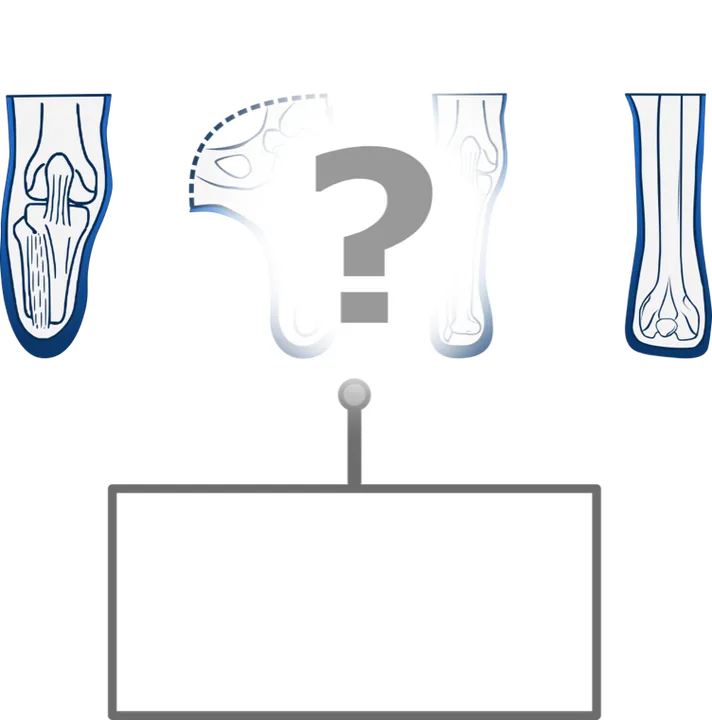 Thickness values
depend on
amputation typeAdjusted by amputation type
Thickness values depend on the amputation type.
Local thicknesses
Easily customise local thicknesses.

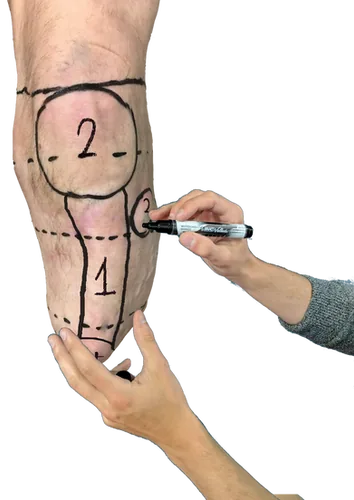
 Cushion pad addedArea filled
Suspension
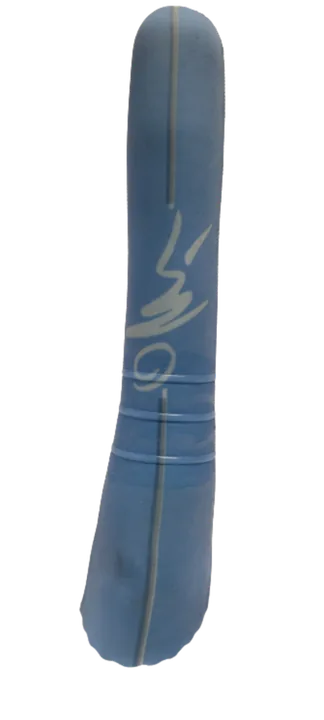
Add the suspension of your choice.

Silicone rings (above knee)
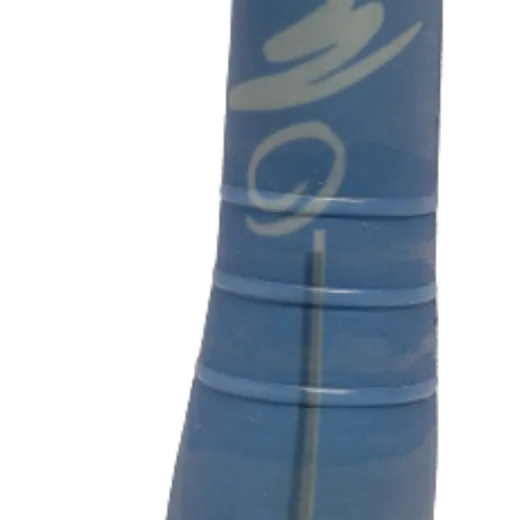

Silicone rings (below knee)
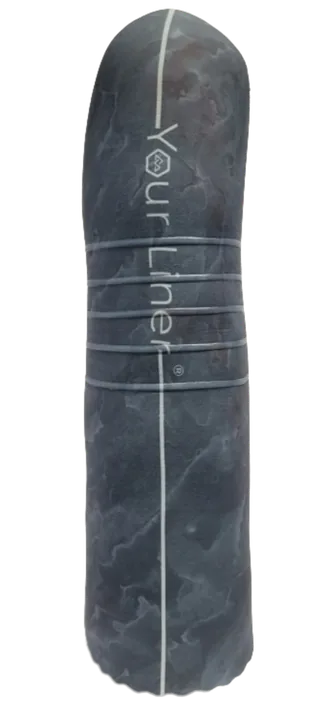
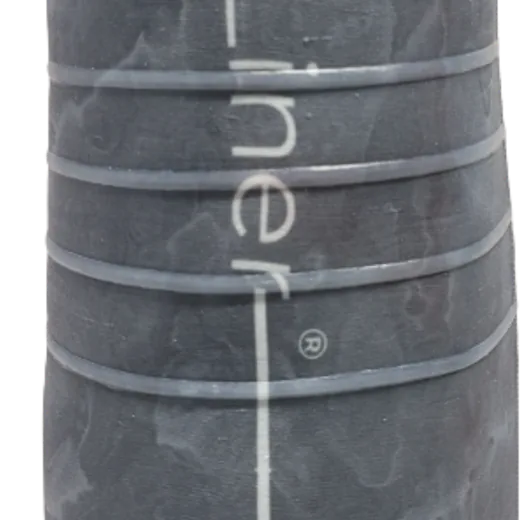

Pin-lock
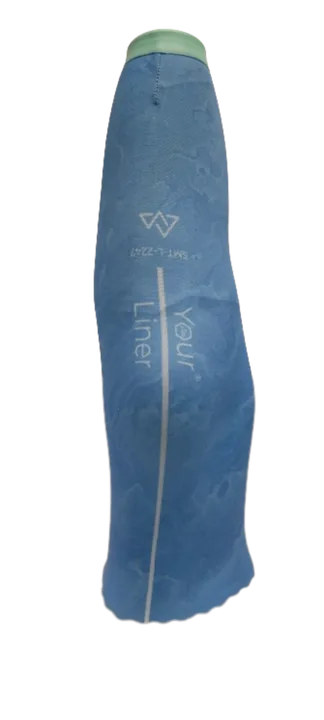
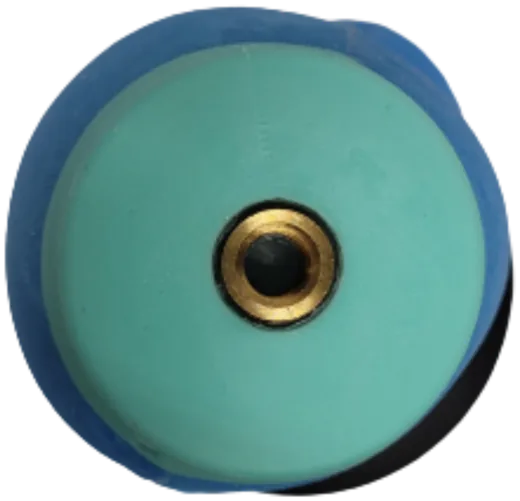
Even better: combine them if you want — e.g. silicone rings together with a pin-lock.
Choosing a line
Not sure which product line to choose?
See UniShore and DualShore side by side — feature by feature, warranty by warranty.
Documentation
Further documentation on DualShore.
The official documents for DualShore — Instructions for Use (multilingual) and regulatory notes.
Instructions for use (PDF) ↓ Regulatory notes for prosthetists (PDF) ↓